
You might not realize how loud a gunshot can be until you feel your ears ring. Gunshots often reach 155 to 158 decibels, way above the safe hearing threshold of 85 dB. Without shooting hearing protection, you risk permanent hearing loss—even one shot can cause damage. Only about 58% of shooters use hearing protection every time. Products like M20T Pro help block harmful noise. Look for the NRR (Noise Reduction Rating) on your gear. NRR tells you how well your protection reduces sound.
Key Takeaways
- Gunshots are very loud and can be over 155 dB. You should always wear hearing protection. This helps stop permanent hearing loss.
- Pick the best hearing protection for you. Earplugs are small and cheap. Earmuffs are simple to use. Electronic types help you hear better around you.
- Look at the Noise Reduction Rating (NRR) before you buy. Try to get an NRR of at least 28 dB. This gives good protection.
- Make sure your hearing protection fits well. It should seal tightly to block bad noise.
- Clean and check your hearing protection often. This helps it work well and last longer.
Types of Shooting Hearing Protection
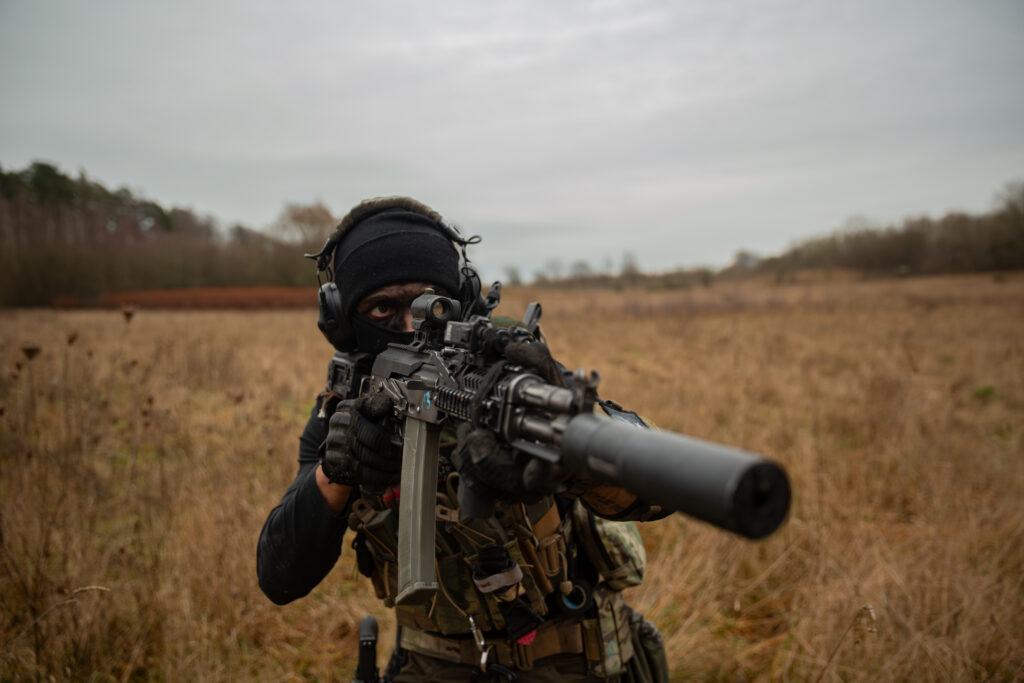
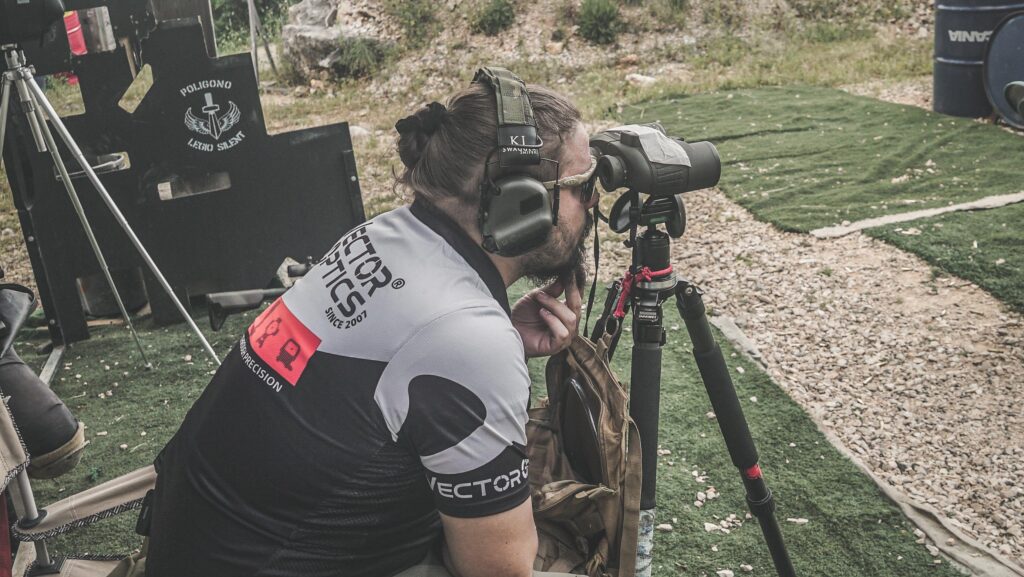
You have a few choices to protect your ears while shooting. Each type has its own benefits. Pick the one that fits your needs, comfort, and budget. The main types are earplugs, earmuffs, and electronic hearing protection.
Earplugs Overview
Earplugs are a simple way to protect your hearing from loud gunshots. They can be made of foam or silicone. Foam earplugs are soft and expand inside your ear. Silicone earplugs fit your ear shape for a snug feel. Both are small and easy to carry. Many beginners like them because they are handy.
Earplugs help block harmful noise during shooting. They are cheap and easy to take with you. This makes them a good choice to lower the risk of hearing damage from gunfire. Their best feature is being light and disposable. You can keep extra pairs in your bag.
Earmuffs Overview
Earmuffs are another common way to protect your hearing. They cover your ears and use thick padding to block noise. Passive earmuffs, like Howard Leight or Beretta, use soundproofing to lower noise. They are simple to put on and take off. Many models can be adjusted for comfort.
Brands like Peltor, Walker’s, and AXIL are popular. These earmuffs have adjustable headbands and soft cushions. They are comfortable for long shooting times. Earmuffs are good if you want a fast and easy solution. They work well for people who need hearing protection for a long time.
Electronic Hearing Protection
Electronic hearing protection uses technology to help your ears. Devices like ShellShock Protection EXO PRO Electronic Earmuff are advanced and comfortable. They lower loud noises like gunshots but let you hear quiet sounds. This helps you stay aware of what is happening around you.
The ShellShock Protection EXO PRO has gel pads for a comfy fit. It has a 28dB SNR rating, so it blocks harmful sounds well. Built-in microphones and speakers let you hear normal sounds clearly. The hard case makes it easy to store and carry. Both new and experienced shooters like it.
| Feature | Electronic Hearing Protection | Passive Hearing Protection |
|---|---|---|
| Noise Reduction | Cuts loud sounds but lets you hear normal sounds | Uses padding to block noise |
| Communication | Lets you talk and hear normal sounds | Does not let you talk or hear others |
| Power Source | Needs batteries or power | No batteries needed |
| Cost | Usually costs more | Usually costs less |
| Situational Awareness | Helps you stay aware of your surroundings | Makes it harder to notice what is happening |
Electronic options like ShellShock EXO PRO are liked because you can hear important sounds and stay safe. They cost more but give the best protection and awareness for shooters.
Summary
The best shooting hearing protection depends on how you shoot, where you shoot, and what feels good to you. Earplugs are easy to carry and cheap. Earmuffs are quick and simple to use. Electronic hearing protection gives the best safety and lets you hear what is going on. Brands like ShellShock, Peltor, Walker’s, and earmor are good for both new and skilled shooters.
Choosing Hearing Protection
Picking the right shooting hearing protection can feel overwhelming at first. You want to keep your ears safe, but you also want something comfortable and easy to use. Let’s break down what matters most when you make your choice.
Understanding NRR
NRR stands for Noise Reduction Rating. This number tells you how much noise your hearing protection can block. Gunshots are loud—sometimes as high as 190dB. Safe hearing levels are only 85dB. Even the best gear can lower noise by about 32-35dB, but gunfire can still be risky over time.
Here’s what you need to know about NRR:
- Look for an NRR of at least 28dB or higher when you shoot.
- Indoor ranges or people with hearing loss should aim for 29dB, 30dB, or even 31dB.
- Devices in the high 20s NRR range give you solid protection against loud gunfire.
If you want a reliable option, the ShellShock Protection EXO PRO Electronic Earmuff offers a 28dB SNR and 22dB NRR. It reacts quickly to loud sounds and keeps your hearing safe. You can also check out earmor M31/M32 Plus and M20T PRO, which are trusted by many shooters.
Tip: Always check the NRR before you buy. Higher numbers mean better protection.
Fit and Comfort
You might have the best NRR, but if your hearing protection doesn’t fit right, it won’t work well. Everyone’s ears are different. Earplugs and earmuffs need to seal tightly to block noise.
| Fit Quality | Description |
|---|---|
| Poor Fit | Devices often fail to protect if they don’t fit. |
| Good Fit | A snug seal keeps harmful noise out. |
Here are some things to look for:
- Your ear canal shape affects how earplugs work.
- How you insert earplugs or wear earmuffs changes the noise reduction.
- Gel pads, like those on ShellShock Protection EXO PRO and Walker’s Razor, make earmuffs more comfortable and help create a better seal.
- Slim designs, such as the 3M Shotgunner, feel lighter and easier to wear.
If you plan to shoot for hours, comfort matters. Gel ear pads and adjustable headbands can make a big difference. Try different styles to see what feels best for you.
Environment Considerations
Where you shoot changes what you need. Let’s look at some common situations:
- For target practice, any hearing protection with enough NRR works well.
- If you need to hear range commands or talk to teammates, electronic earmuffs like ShellShock Protection EXO PRO or earmor M31/M32 Plus help you stay aware and safe.
- Hunters sometimes choose when to wear protection. Electronic options let you hear nature and your friends while keeping your ears safe.
| Key Advantages | Description |
|---|---|
| 28dB SNR / 22dB NRR protection | Activates fast to protect hearing. |
| Amplifies low-level sounds | Helps you notice what’s happening around you. |
| 0.005s reaction time | Stops loud noises from hurting your ears. |
| Digital sound compression | Makes voices and sounds clear and natural. |
| Perfect for hunting and training | Lets you communicate and stay aware. |
If you want value and performance, ShellShock Protection EXO PRO stands out. It’s great for beginners and experienced shooters. You get comfort, quick protection, and the ability to hear what matters.
Note: Think about where you shoot most often. Your environment will help you decide which features you need.
Choosing the right shooting hearing protection means looking at NRR, fit, comfort, and your shooting environment. Try a few options and find what works for you. Your ears will thank you!
Using Shooting Hearing Protection

Fitting Earplugs
You want your earplugs to block as much noise as possible. If you don’t put them in right, you won’t get full protection. Here’s how you can fit earplugs for the best results:
- Roll the earplug between your fingers until it forms a skinny cylinder.
- Reach over your head and gently pull your ear back. This straightens your ear canal.
- Insert the earplug deep into your ear canal.
- Hold your finger in place until the earplug expands and fills your ear.
- Check that the earplug sits deep enough. You shouldn’t be able to pull it out easily with your fingernails.
Tip: Try different types, like foam or silicone, to see what feels best. Many shooters like the earmor M20T PRO for its comfort and easy fit.
Wearing Earmuffs
Earmuffs are simple to use, but you need to wear them the right way for full noise reduction. Here’s what you should do:
- Adjust the headband so it feels snug but not too tight.
- Make sure the ear cups cover your ears completely and don’t press on the outer ear.
- Put on your earmuffs before you start shooting.
- Check your earmuffs often for cracks or worn-out cushions.
- Clean the cushions and shells after each use.
- Replace the cushions or foam inserts if they look old or damaged.
Remember: A good seal keeps harmful noise out. Models like EARMOR M31/M32 Plus and ShellShock Protection EXO PRO offer soft gel pads for extra comfort.
Using Electronic Protection
Electronic hearing protection gives you the best of both worlds. You can block dangerous gunshot sounds and still hear range commands or conversations. Here’s how these devices help you stay safe and aware:
- They lower loud noises but let you hear important sounds, like alarms or voices.
- Special technology blocks high decibel levels but allows you to hear what’s happening around you.
- You can talk with friends or instructors without taking off your protection.
- These earmuffs amplify quiet sounds and cut out sharp, harmful noise peaks.
- You stay alert to your surroundings, which is important for safety at the range or in the field.
If you want shooting hearing protection that keeps you safe and connected, try electronic options like ShellShock Protection EXO PRO or earmor M31/M32 Plus.
Common Mistakes to Avoid
When you start using shooting hearing protection, it’s easy to make a few common mistakes. Knowing what to watch out for can help you protect your ears every time you shoot.
Incorrect Fit
A poor fit is one of the biggest reasons hearing protection fails. If your earplugs or earmuffs don’t seal well, loud sounds can sneak in and hurt your hearing. Many beginners don’t insert earplugs deep enough or skip the right steps. Here are some mistakes you might make:
- Not rolling foam earplugs into a thin shape before inserting.
- Skipping the step of pulling your ear back to straighten the canal.
- Wearing earmuffs over hats or glasses, which breaks the seal.
- Choosing the wrong size or not adjusting the headband.
Check out this table to see how fit affects noise reduction:
| Factor | Impact on Noise Reduction |
|---|---|
| Improper fit | Compromises the effectiveness of noise attenuation |
| Size and condition of HPD | Affects how well the device seals and reduces noise |
| Comfort level | Uncomfortable devices may lead to reduced usage time |
| Motivation and training | Influences the likelihood of consistent use of HPDs |
If you use products like EARMOR M31/M32 Plus or M20T PRO, make sure you follow the instructions for a snug fit.
Ignoring NRR
Some shooters forget to check the NRR, or Noise Reduction Rating, when picking hearing protection. This number tells you how much noise your gear can block. If you ignore the NRR, you might not get enough protection. Here’s why NRR matters:
- The NRR shows how well your hearing protection reduces noise.
- Higher NRR means better safety, especially at loud shooting ranges.
- Not checking NRR can leave your ears at risk for damage.
Always look for an NRR of 28dB or higher when choosing shooting hearing protection.
Neglecting Comfort
Comfort is key if you want to wear your hearing protection every time. If your earplugs or earmuffs feel tight or hurt, you might take them off too soon. Custom-fit devices or models with gel pads, like ShellShock Protection EXO PRO, help you stay comfortable. When you feel good wearing your gear, you’ll use it more often and keep your hearing safe.
Tip: Try different styles and brands until you find one that feels right for you. Comfort leads to better habits and safer shooting.
Maintenance and Care
Taking care of your shooting hearing protection helps it last longer and keeps your ears safe every time you shoot. You don’t need fancy tools or a lot of time—just a few simple habits.
Cleaning Tips
Keeping your earplugs and earmuffs clean is important. Dirt and earwax can build up fast, especially if you shoot often. Here’s how you can clean your gear:
- Wipe your headset or smartplug with a soft cloth dipped in warm water and a little mild soap.
- Use a soft-bristled brush to gently loosen any dirt or skin oil.
- Never dunk your earmuffs or electronic plugs in water. Water inside can ruin the electronics.
- Avoid bleach, harsh cleaners, or sprays. These can damage the materials.
- Clean the outside of your earmuffs with a damp cloth. Make sure no water gets inside the ear cups.
- Check inside the ear cups for debris and gently remove it.
Tip: Clean your hearing protection after every trip to the range. This keeps it fresh and ready for next time.
Storage Advice
Proper storage keeps your hearing protection in good shape. Always store your gear in a dry, cool place. Many products, like the ShellShock Protection EXO PRO and EARMOR M31/M32 Plus, come with a hard case. Use it to protect your earmuffs from dust and bumps. If you use earplugs like the M20T PRO, keep them in a small, clean container so they don’t get lost or dirty.
- Don’t leave your hearing protection in direct sunlight or a hot car.
- Keep it away from moisture to prevent mold or damage.
- Store it where you can find it easily before your next shooting session.
Inspecting for Damage
You should check your hearing protection often. Look for cracks, worn-out cushions, or loose elastic bands on earmuffs. If the cushions feel stiff or the band stretches out, your earmuffs might not block noise well anymore. For earplugs, check for tears or changes in shape. If you spot any problems, replace the damaged parts or get a new set.
Regular inspections help you catch problems early. If you find any defects, swap out your hearing protection right away. This way, you always get the best protection for your ears.
You need shooting hearing protection every time you shoot. It guards your ears from loud gunshots and keeps you safe from permanent hearing loss. Choose what fits you best—earplugs, earmuffs, or electronic options like earmor M31/M32 Plus or M20T PRO. Keep your gear clean and check for damage so it works well. Remember, safe shooting starts with protecting your hearing.
Firearms can reach noise levels over 140 dB, causing lasting damage. Using ear protection stops this harm and helps you avoid needing hearing aids later.