
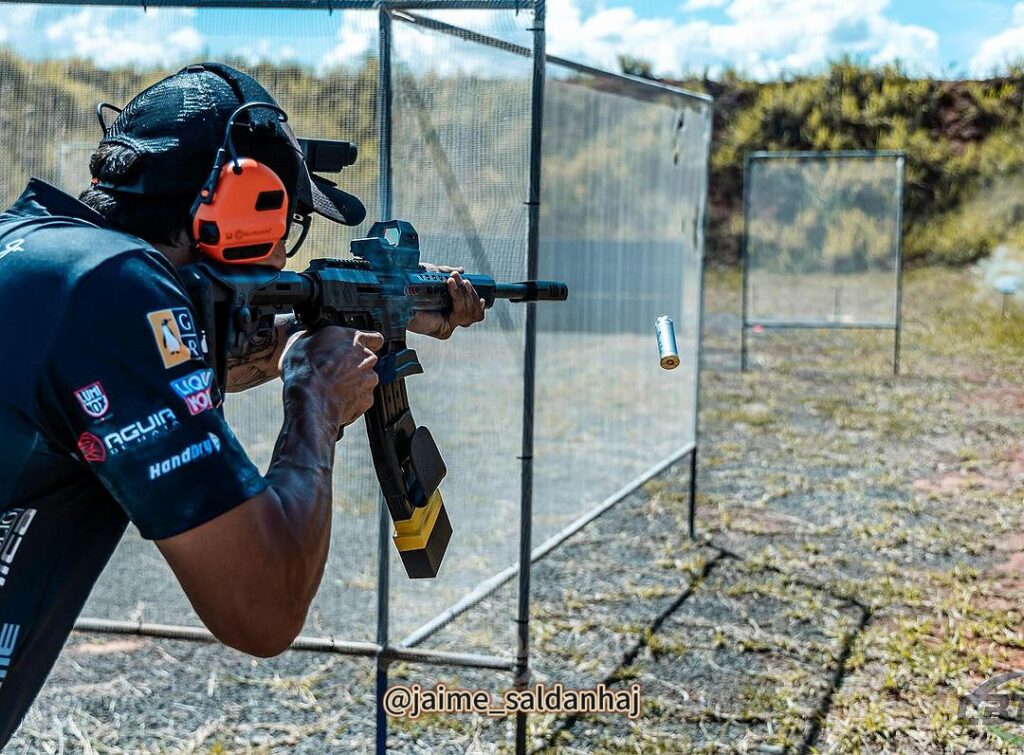
Imagine you walk onto the shooting range, surrounded by loud gunshots. You need electronic hearing protection for shooting to keep your ears safe. Electronic ear protection for shooting ensures you can focus, while comfortable ear cups help you stay alert. Military-grade commun features allow for clear communication with others on the range. Long battery life means you don’t have to worry about charging often. Consider how and where you shoot before choosing your electronic hearing protection gear.
Key Takeaways
- eduction Rating of at least 28 for indoor shooting and 25 for outdoor shooting.
- Look for comfort features like headbands you can adjust and soft ear cups so you can wear them longer.
- Think about battery life and choose lithium batteries for longer use and better results.
- Try different models before you buy to find the best fit and features for your shooting style.
Why Hearing Protection Matters
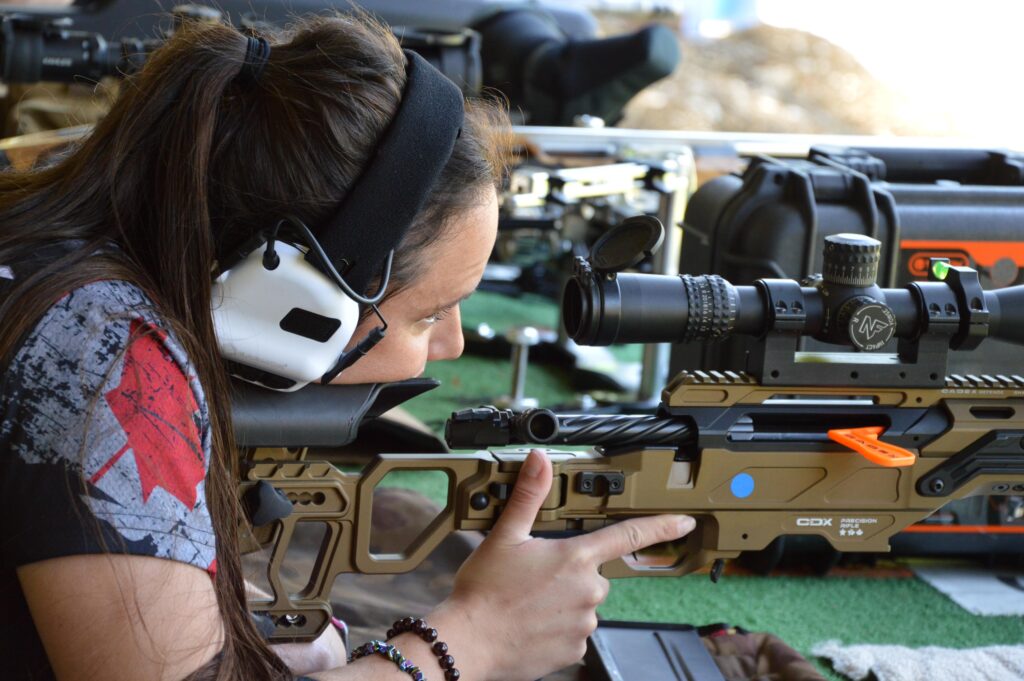
Gunshot Noise Risks
Shooting without good hearing protection is very risky. Guns make very loud sounds that can hurt your ears right away. For example:
- A .22 caliber rifle with standard velocity ammo makes 140 dB. This can cause hearing damage that does not go away.
- Sounds over 85 dB are bad for your hearing, says NIOSH.
Gunshots are much louder than what is safe for your ears. Your body cannot warn you before your ears get hurt. Wearing hearing protection every time you shoot helps stop this damage.
Long-Term Effects
You might not notice hearing loss at first. But shooting many times can hurt your ears forever. Loud sounds damage the tiny hair cells in your cochlea. These cells help you hear by sending signals to your brain. If these cells get hurt, they do not grow back. This means you can lose your hearing for good. You may also feel stressed or worried because of hearing problems. Many shooters get long-term problems like:
- Long-Term Noise Induced Hearing Loss (LTNIHL), which does not go away and may need costly hearing aids.
- Shooter’s ear, which hurts the ear away from the gun because of how you hold your head.
- Tinnitus, which is a ringing or buzzing in your ears, often from damaged ear hair cells.
You need hearing protection to keep these problems away.
Prevention vs. Treatment Costs
Using hearing protection early saves you money and keeps your life better. Fixing hearing loss can mean buying expensive hearing aids and seeing doctors a lot. You might also have trouble talking to people and feel alone. Stopping hearing loss is easy. Just wear hearing protection every time you shoot. This small habit keeps your hearing safe for a long time.
Tip: Always make sure your hearing protection fits well before you shoot. A good seal really helps.
Using hearing protection is a smart idea. You keep your ears, your money, and your future safe.
Noise Reduction & NRR
When picking ear protection for shooting, check the Noise Reduction Rating (NRR). This rating shows how well earmuffs stop loud sounds. Passive earmuffs use thick foam and a hard shell to block noise. They usually have a higher NRR. Electronic earmuffs, also called active earmuffs, use microphones and speakers to control sound. These active earmuffs often have an NRR that is 2-6 dB lower than passive earmuffs.
Here is a quick comparison:
| Type of Ear Protection | Average NRR Difference |
|---|---|
| Electronic (Active) | 2-6 dB less |
| Passive | Higher NRR |
Passive earmuffs block all sounds for strong protection. They are good if you want simple and steady noise reduction. Active earmuffs, like electronic ear protection for shooting, use technology to make gunshots quieter, usually around 82 dB. You can still hear what is going on, but your ears stay safe.
- Passive earmuffs use foam and a hard shell to block noise.
- Active earmuffs use microphones and speakers to block gunshot noise and let you hear safe sounds.
- Electronic shooting earmuffs keep you safe and help you know what is happening around you.
Communication & Awareness
You need to hear commands and talk to people when you shoot. Passive earmuffs block all sounds, so you might miss important instructions. Active earmuffs, like electronic ear protection for shooting, let you hear voices and warnings clearly. These earmuffs use microphones to pick up safe sounds and make them louder. You do not have to take off your earmuffs to talk.
Here is a table to show the difference:
| Feature | Electronic Ear Protection | Passive Ear Protection |
|---|---|---|
| Communication | Allows clear communication without removal | Blocks all sounds, making talking hard |
| Situational Awareness | Amplifies safe sounds for awareness | Isolates you from important sounds |
| Safety Alerts | Lets you hear range officer instructions | May miss critical safety alerts |
Active earmuffs use microphones that pick up sounds from all directions. This helps you know where sounds come from. You get better awareness of your surroundings. You can hear footsteps, voices, and even animals if you hunt. Electronic earmuffs with sound monitoring keep you safe and alert.
- Electronic ear protection for shooting lets you talk and listen without taking off your earmuffs.
- Voice amplification helps you hear commands and warnings.
- You stay aware of your surroundings, which keeps you safe.
Comfort & Fit
Comfort is important when you wear earmuffs for a long time. Active earmuffs often have features that make them more comfortable. Many electronic earmuffs use memory foam tips that fit your ear canal. This gives you a better seal and feels soft. Some models have gel cups that feel nice and fit well, even with glasses. An ergonomic half-shell design keeps the earmuffs from slipping when you move.
- Memory foam tips fit your ears for comfort.
- Gel cups give a good seal and feel soft.
- Ergonomic designs keep earmuffs in place when you move.
- You can adjust the sound for your own comfort.
Passive earmuffs can feel tight or heavy. Active earmuffs with special features often feel lighter and fit better. You can wear them longer without feeling uncomfortable.
Technology Features
Active earmuffs stand out because of their special electronic features. These features make shooting safer and more fun. Electronic ear protection for shooting often has built-in microphones. These microphones let you hear safe sounds while blocking dangerous ones. Digital sound processing makes voices louder and gunshots quieter. Automatic sound block technology keeps sounds above 82 dB from reaching your ears.
Here are some common advanced electronic features:
| Feature | Description |
|---|---|
| Built-in microphones | Pick up outside sounds and block harmful noise. |
| Digital sound processing | Makes safe sounds louder and harmful ones quieter. |
| Bluetooth connectivity | Lets you talk hands-free or listen to music without taking off earmuffs. |
| Automatic sound block | Blocks sounds over 82 dB for safety. |
| Digital multi-channel processor | Filters only bad noise for better sound quality. |
| Fast attack time | Makes loud sounds quieter in just 0.5ms for fast protection. |
| Seamless connectivity | Connects to music or calls with Bluetooth and two microphones. |
- Advanced electronic features like Bluetooth let you answer calls or listen to music.
- Digital compression technology gives you fast protection from gunshots.
- You can change the sound level for your needs.
Active earmuffs with these features help you stay connected and safe. You get a good mix of protection, comfort, and awareness. Electronic earmuffs with advanced electronic features make shooting more fun and safe.
Tip: Pick electronic ear protection for shooting with the features you need. This helps you stay safe, comfortable, and aware every time you shoot.
Choosing Ear Protection Features
NRR by Environment
You should pick the right Noise Reduction Rating (NRR) for where you shoot. Indoor ranges are very loud because sound bounces off the walls. You need ear protection with a higher NRR when shooting inside. If you use rifles or loud handguns, wear both earplugs and earmuffs for more safety. Shooting outside is not as loud, but you still need good ear protection.
- For indoor ranges, use NRR 28 or higher.
- Wear both earplugs and earmuffs for very loud guns.
- For outdoor ranges, pick an NRR that feels good, but not less than 22.
Electronic Earmuffs vs. Hearing Protection Headphones
Electronic earmuffs and non-electronic hearing protection are different in many ways. The table below shows how they are not the same:
| Feature/Drawback | Electronic Earmuffs | Non-Electronic Hearing Protection |
|---|---|---|
| Active Noise Reduction | Yes, blocks loud noises, lets soft sounds through | No, blocks all sounds |
| Directional Sound Amplification | Yes | No |
| Communication Capabilities | Yes, built-in systems | No, must remove to talk |
| Cost | Higher | More affordable |
| Battery Requirement | Yes | No |
| Maintenance | Needs battery care | Minimal |
| Situational Awareness | Enhanced | Reduced |
Electronic earmuffs have special features that help you hear people and commands. Non-electronic hearing protection blocks all noise, so you cannot hear anything else.
Battery Life & Durability
Battery life is important if you shoot for a long time. Some models work for 8-13 hours with active noise cancellation. Charging cases can give you over 50 hours of use. Quick charging lets you use your earmuffs for two hours after charging for just 15 minutes. Wireless charging and USB-C fast charging make things easier. You should also check if your gear is tough. Look for water and dust resistance to help your ear protection last longer.
Standards & Certifications
You want ear protection that follows safety rules. The Noise Reduction Rating (NRR) tells you how much noise your ear protection blocks. A higher NRR means your ears are safer. Comfort is important if you wear earmuffs for a long time. Adjustable headbands and soft ear cups help a lot. These features keep your ears safe and your gear working well.
Tip: Level-dependent hearing protectors let you talk and hear what is around you while blocking gunshots. These features are very important for safety when you shoot.
Product Picks & Care
Best Models for Shooting
You want good hearing protection headphones for shooting. Many people pick electronic models because they block loud gunshots and feel nice to wear. The table below lists some of the best electronic and passive hearing protection headphones for shooting sports:
| Model | Type | NRR | Key Features | Best Use |
|---|---|---|---|---|
| Peltor Sport Tactical 500 | Electronic | 26 dB | Bluetooth, adjustable headband | Range, hunting |
| Etymotic Gun Sport Elite | Electronic | 28 dB | Rechargeable, foam/rubber earplugs | All shooting sports |
| Walker’s Razor Slim | Electronic | N/A | All-day comfort | Range, field |
| Axil XCOR Pro | Electronic | N/A | In-ear Bluetooth earplugs | Active shooting sports |
| Howard Leight Leightning L3 | Passive | N/A | High NRR, simple design | Indoor/outdoor shooting |
| Ultra Pro Passive | Passive | 30 dB | Leather cushions, padded headband | Range, field |
| Pro Ear Gold II | Passive | 26 dB | Volume controls, low profile | Gun range, hunting |
You can wear earplugs with headphones for extra safety. Passive hearing protection is good for simple shooting and costs less money. Electronic hearing protection headphones help you hear people and stay alert.
Testing & Evaluation
You should try hearing protection headphones before using them to shoot. Look at the Noise Reduction Rating (NRR) for each one. A higher NRR means it blocks more loud sounds. Use these things to test your headphones:
| Criteria Type | Description |
|---|---|
| Impact Noise Threshold | Should block sounds above 130 dB |
| Occupational Impact Noise Limit | Must keep levels below 140 dB |
| NRR | Look for high numbers for shooting sports |
| Real-life Effectiveness | Try headphones at the range for comfort and fit |
Try using earplugs and headphones together for very loud shooting. Make sure your hearing protection fits well and does not fall off when you move.
Maintenance Tips
You need to take care of your hearing protection headphones. Follow these tips to keep them working:
- Clean earplugs and headphones after you shoot.
- Change soft parts if they look old or dirty.
- Keep your headphones in a dry place.
- Carry extra earplugs and cushions in your bag.
- Check batteries in electronic headphones often.
- Keep headphones away from water and heat.
- Look for earwax and clean with a soft brush.
Tip: Taking care of your headphones helps them last longer and keeps you safe from loud gunshots.
You must wear hearing protection every time you shoot. The best kind depends on what you are doing. Look at this table for help:
| Shooting Scenario | Recommended Ear Protection | Key Considerations |
|---|---|---|
| Everyday Target Practice | Any type with enough noise reduction | Make sure you can hear range commands if needed. |
| Sport Shooting | Electronic earmuffs | You must hear commands and cues from teammates. |
| Hunting | Electronic hearing protection | You need to talk with others during the hunt. |
Do not think foam plugs always work or that one type fits everyone. Some shooters do not use hearing protection for a short trip, but even one gunshot can hurt your ears. You keep your hearing safe by picking good gear and using electronic earplugs for clear sound and safety. Always check that your hearing protection fits well and stays clean.
- Using the right hearing protection lowers your chance of hearing loss.
- Good hearing protection keeps your ears healthy for a long time.
- Ask experts for help and try electronic earplugs before you buy them.
Do not forget, hearing protection is not just for now. You are keeping your hearing safe for your whole life.
FAQ
What is the difference between electronic and passive ear protection?
You use passive ear protection to block all sounds with foam and a hard shell. Electronic ear protection uses microphones to let you hear voices and safe sounds while blocking gunshots.
Can I wear earplugs and earmuffs together?
Yes, you can wear both for extra safety. You get better noise reduction when you use earplugs under earmuffs, especially at indoor ranges or with loud guns.
How do I know if my ear protection fits well?
You should feel a tight seal around your ears. No gaps should let sound in. If you wear glasses, pick earmuffs with soft or gel cups for a better fit.
Do electronic earmuffs need batteries?
Yes, electronic earmuffs need batteries to power microphones and speakers. Always check your batteries before you shoot. Carry extra batteries in your range bag.
How do I clean my hearing protection?
Remove ear cushions and wipe them with a damp cloth. Let them dry before you use them again. Clean earplugs with mild soap and water. Store everything in a dry case.
Practical Tips for Choosing Shooting Hearing Protection
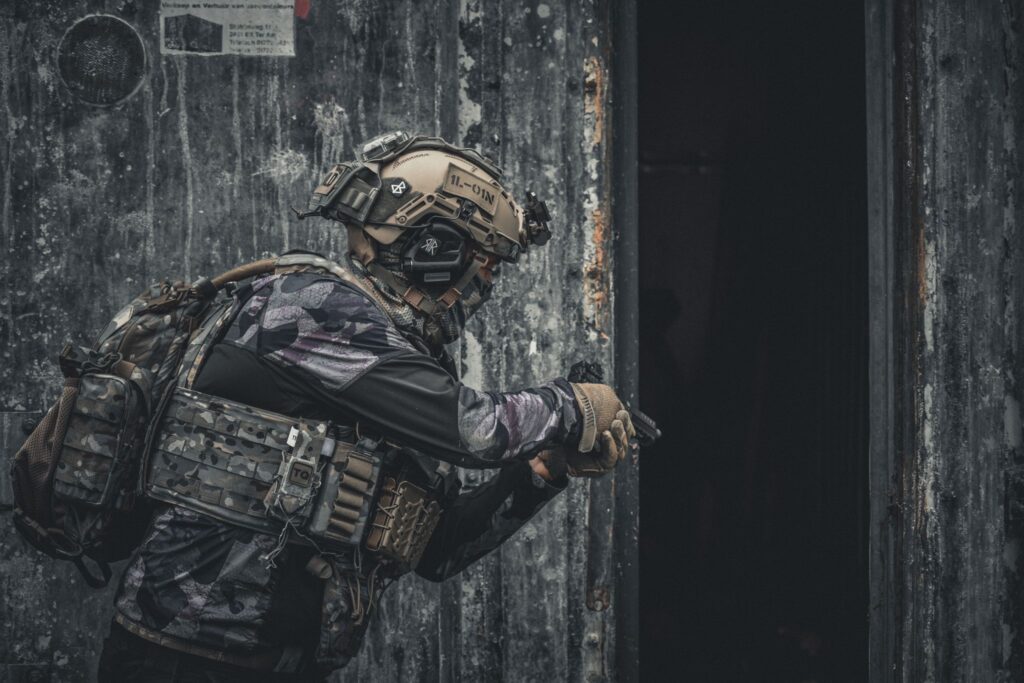
Try Before You Buy
You need to make sure your tactical hearing protection is right for you before you spend money. Trying different types helps you find ear protection that feels good and works well. Here are some steps you can follow when you test ear protection for shooting:
- Ask who makes the product and about the warranty.
- Learn how to reach the company for help or repairs.
- Find out how long repairs take and what they cost.
- Make sure someone explains how the product works and its Noise Reduction Rating.
- Check if you can return it if you do not like it.
- Ask about the company’s training and experience.
- Ask for an ear check or hearing test before fitting.
- Think about how kids’ ears change as they grow.
- Look for earmuffs or plugs that fit what you like.
- Make sure you know the total price and how long the warranty lasts.
You should also test bluetooth and other advanced hearing protection features. Try both small, light models and bigger ones to see which is best for you. Testing helps you pick hearing protection that fits your shooting style and keeps your ears safe from gunshot noise.
Maintenance and Care
Taking care of your tactical hearing protection helps it last longer and keeps the battery working. Clean your ear protection every day and keep it in a cool, dry place to stop damage. Use a hearing aid dehumidifier to keep water away. Get a professional to clean and adjust your gear every three to six months. Regular care makes sure your advanced hearing protection works well and gives you clear sound.
| Maintenance Step | Benefit |
|---|---|
| Daily cleaning | Gets rid of dirt and keeps sound clear |
| Cool, dry storage | Stops water damage |
| Battery replacement | Keeps your device working |
| Professional servicing | Checks for problems and makes it fit well |
| Dehumidifier use | Keeps electronics safe from water |
Good maintenance means your hearing protection works the same every time. You will hear people clearly and stay safe each time you shoot.
When you pick electronic hearing protection, look at NRR, comfort, how you talk to others, battery life, and if it works with your other gear. Good hearing protection keeps your ears safe for a long time. The table below shows why buying good hearing protection is important:
| Evidence Type | Description |
|---|---|
| Noise Exposure Risks | Loud noise all the time can hurt your hearing, cause ringing in your ears, and other problems. |
| Long-term Consequences | Gun noise can cause hearing problems that last, so you need to protect your ears every time. |
| Cost-Effectiveness | Good hearing protection costs less than getting hearing aids or paying for doctor visits. |
- Custom hearing protection can cost from $150 to $1,500.
- Hearing aids can cost more than $8,000 for two.
- Strong hearing protection saves you money and keeps you safe.
Make a list of what you need before you buy. Always use hearing protection when you shoot.
FAQ
What does Noise Reduction Rating (NRR) mean?
NRR shows how much sound your ear protection blocks. Higher numbers mean better protection. You should look for NRR of 28 or more for shooting. Always check the label before you buy.
Can you use electronic hearing protection for hunting?
Yes, you can use electronic hearing protection for hunting. These devices let you hear soft sounds like animal movement. They block loud gunshots to keep your ears safe.
How long do batteries last in electronic earmuffs?
Battery life depends on the model. Most electronic earmuffs last from 20 to 300 hours. Rechargeable models save money over time. Always carry spare batteries when you go shooting.
Do electronic earplugs work for children?
Some electronic earplugs fit children, but you must check the size. Look for adjustable or youth models. Make sure the earplugs seal well to protect young ears.
What is the difference between Bluetooth and non-Bluetooth hearing protection?
Bluetooth hearing protection lets you connect to phones or radios. You can listen to music or talk to others. Non-Bluetooth models only block noise and amplify voices around you.