Shooting is loud—much louder than many new shooters expect. Whether you are practicing at an indoor range, hunting outdoors, or training with a rifle, the right hearing protection is not optional. It is part of safe shooting.
One of the most common questions shooters ask is:
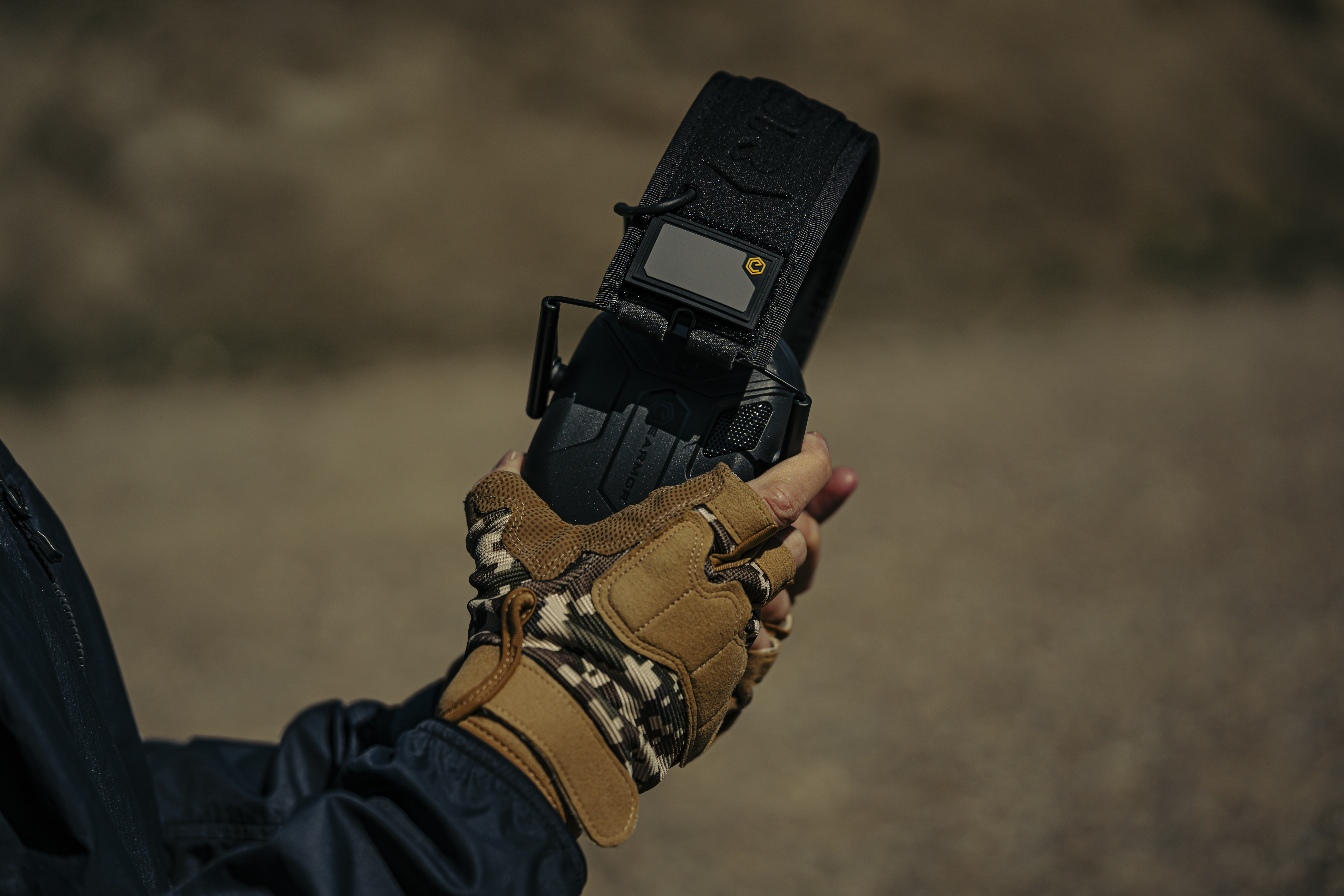
What NRR rating do you need for shooting?
For most shooting situations, you should look for hearing protection with an NRR of at least 22 dB, while indoor ranges, high-caliber firearms, and long training sessions may require double hearing protection, such as earplugs worn underneath earmuffs.
But NRR is only one part of the story. Fit, seal, shooting environment, firearm type, and whether you need to hear range commands all matter too.
What Does NRR Mean?
NRR stands for Noise Reduction Rating. It is a laboratory-tested rating that shows how much a hearing protection device can reduce noise exposure under controlled conditions.
In simple terms:
The higher the NRR, the more noise reduction the product is designed to provide.
However, real-world protection is often lower than the number printed on the package. That is because hearing protection depends heavily on how well the product fits and seals around or inside your ears.
For example, earmuffs that do not seal properly because of glasses, hair, hats, or poor adjustment may not provide their full rated protection. NIOSH also notes that fit testing is important because real-world hearing protection can vary from person to person.
Why Shooting Requires Serious Hearing Protection
Gunshots are not just “loud sounds.” They are impulse noises: short, sharp bursts of sound that can reach dangerous levels instantly.
NIOSH states that exposure to peak impulsive noise should not exceed 140 dB SPL, and firearms can reach or exceed that level depending on the firearm, ammunition, barrel length, and environment.
That is why casual foam plugs or low-quality earmuffs may not be enough for regular range use, especially indoors.
The goal is not just to make shooting sound more comfortable. The goal is to reduce harmful noise while still allowing you to stay aware of your surroundings, hear range commands, and communicate clearly.
So, What NRR Rating Do You Need for Shooting?
For most recreational shooting, a good starting point is:
| Shooting Situation | Recommended Hearing Protection |
|---|---|
| Outdoor pistol or rifle shooting | NRR 22–26 dB |
| Outdoor hunting | NRR 22–26 dB, preferably electronic |
| Indoor shooting range | NRR 25+ or double protection |
| High-caliber rifles | Double protection recommended |
| Long training sessions | Double protection recommended |
| Tactical or communication use | Electronic earmuffs or tactical headset |
As a general rule, NRR 22 dB is a practical minimum for shooting, while higher NRR or double protection is better for indoor ranges and louder firearms.
CDC/NIOSH recommends double hearing protection, such as earmuffs over earplugs, for impulse sounds or very high noise environments.
Is NRR 22 Good Enough for Shooting?
Yes, NRR 22 can be suitable for many shooting situations, especially for outdoor range use, hunting, and general shooting practice.
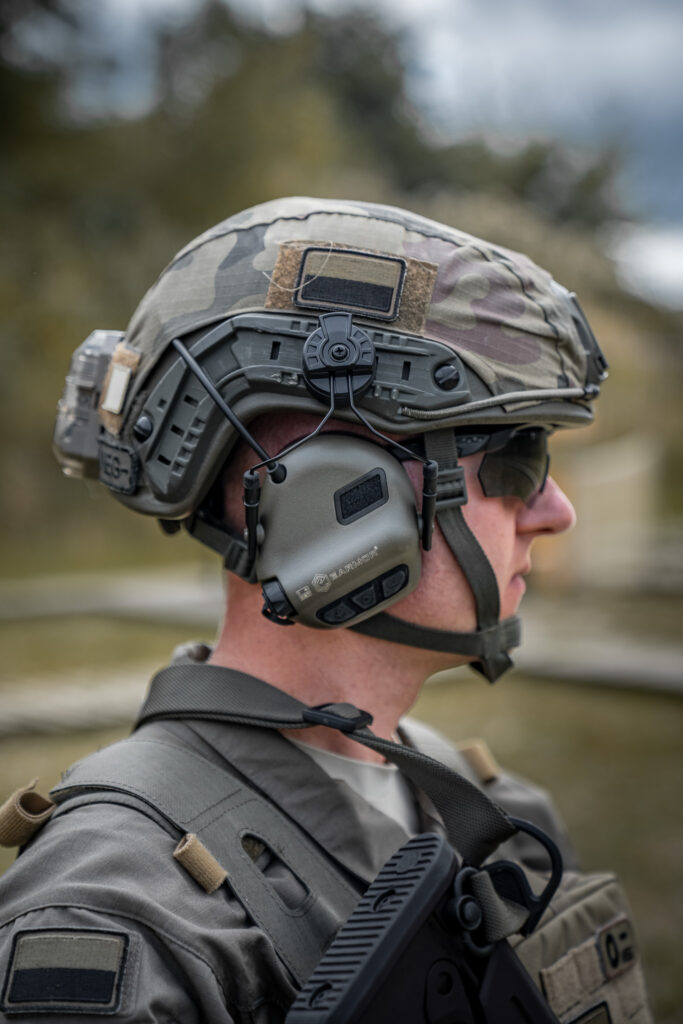
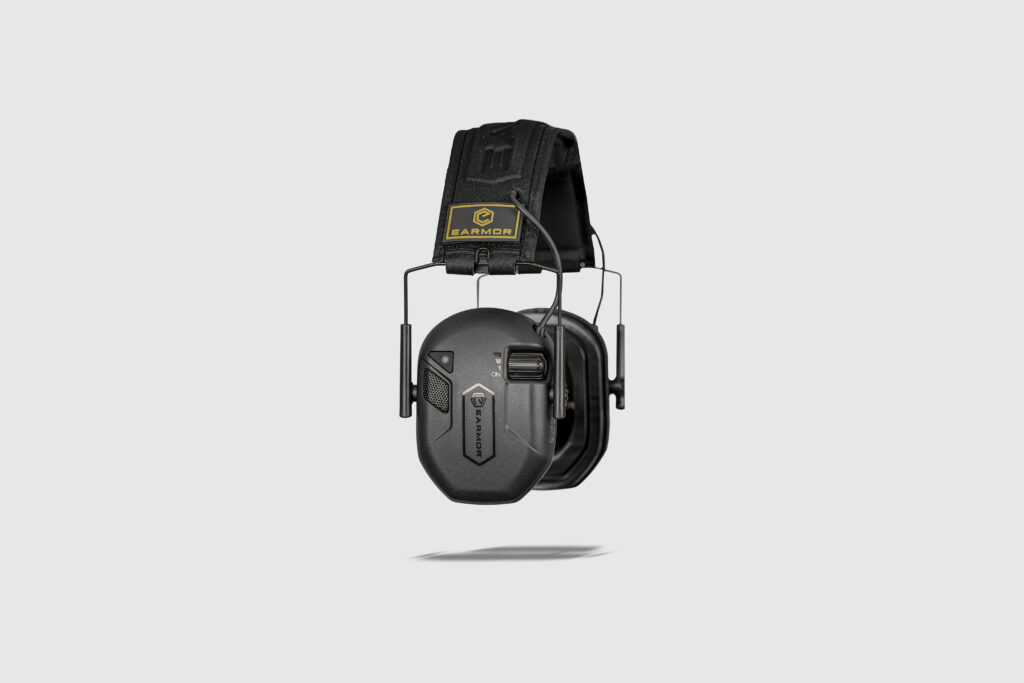
For example, the EARMOR M300T Bluetooth Hearing Protector is rated at NRR 22 dB and is designed to reduce harmful noise while allowing ambient sound pickup and Bluetooth use. The product information also highlights suppression of noise exceeding 82 dB, gel ear pads, ambient sound amplification, Bluetooth 5.4, and a foldable design.
This makes NRR 22 electronic earmuffs a practical choice for shooters who want a balance of:
- Hearing protection
- Situational awareness
- Comfort
- Communication
- Range or hunting use
For many shooters, that balance is more useful than wearing heavy passive earmuffs that block too much sound and make communication difficult.
When Should You Use Double Hearing Protection?
Double protection means wearing earplugs and earmuffs together.
You should consider double protection when shooting:
- Indoors
- Under a covered firing line
- With rifles or muzzle brakes
- Around multiple shooters
- During long training sessions
- With high-caliber firearms
- In competitions or classes with repeated fire
NIOSH has reported that adding dual hearing protection can provide an additional 5 to 10 dB of attenuation compared with a single protector, depending on fit and conditions.
One important note: you do not simply add both NRR numbers together. For example, NRR 22 earmuffs plus NRR 30 earplugs does not equal NRR 52. Real-world protection is more complicated than that.
Still, for indoor ranges and louder firearms, double protection is often the safer choice.
Electronic vs Passive Hearing Protection for Shooting
When choosing shooting ear protection, NRR is important—but it should not be the only factor.
Passive Hearing Protection
Passive earmuffs or earplugs reduce sound all the time. They are simple, affordable, and effective when properly fitted.
They work well for:
- Basic range use
- Backup protection
- Double protection with earmuffs
- Users who do not need electronic features
The downside is that passive protection can make it harder to hear range commands, conversations, or movement around you.
Electronic Hearing Protection
Electronic hearing protection uses microphones to pick up ambient sound while helping reduce harmful noise. This allows shooters to hear voices, commands, and environmental sounds more clearly while still protecting against dangerous impulse noise.
Electronic earmuffs are especially useful for:
- Shooting ranges
- Hunting
- Training classes
- Tactical practice
- Outdoor communication
- Situational awareness
The EARMOR M32 PLUS, for example, is an electronically amplified noise-canceling headset with communication capability. It is rated at NRR 22 dB and SNR 29 dB, and is designed to amplify environmental sounds while helping protect hearing in high-noise environments such as gunfire.
Is Higher NRR Always Better?
Not always.
Higher NRR usually means more noise reduction, but too much isolation can create another problem: you may not hear important sounds around you.
CDC/NIOSH advises avoiding overprotection in some workplace settings because too much noise reduction can reduce awareness and may cause users to remove their hearing protection to hear properly.
For shooting, this is why many users prefer electronic earmuffs. They help reduce harmful noise while still allowing useful sounds—like range commands, conversations, and movement—to remain audible.
The best hearing protection is not simply the highest number. It is the protection you will actually wear correctly and consistently.
Recommended NRR by Shooting Scenario
Outdoor Range Shooting
For outdoor pistol or rifle shooting, an NRR of 22–26 dB is usually a practical starting point. Electronic earmuffs are a strong option because they help you hear conversations and range commands.
Recommended option:
EARMOR M300T Bluetooth Electronic Hearing Protector
Indoor Shooting Range
Indoor ranges are usually louder because sound reflects off walls, ceilings, and dividers. For indoor shooting, consider NRR 25+ or use double protection.
A good setup is:
- Foam or reusable earplugs
- Electronic earmuffs over the plugs
This gives extra protection while still allowing electronic earmuffs to help with situational awareness.
Hunting
For hunting, awareness matters. You may need to hear movement, voices, wind, or other environmental sounds.
Electronic hearing protection is usually better than fully passive protection because it helps you stay aware while still protecting against gunfire.
Recommended option:
EARMOR M300T or other electronic hearing protection with ambient pickup.
Tactical Training
For tactical training, communication is just as important as protection. A standard passive earmuff may reduce noise, but it can also make it harder to communicate.
For this type of use, a tactical communication headset such as the EARMOR M32 PLUS may be more suitable, especially when radio communication or helmet compatibility is needed.
How to Get the Most Protection from Your NRR Rating
Even a high-NRR product will not protect you well if it is worn incorrectly. To get better real-world protection:
- Make sure earmuffs fully seal around your ears.
- Avoid breaking the seal with thick glasses, hats, or hair.
- Replace worn-out ear cushions when needed.
- Use earplugs under earmuffs for indoor ranges.
- Choose electronic protection if you need to hear voices or commands.
- Wear hearing protection every time you shoot.
EARMOR product instructions also emphasize that anything interfering with the seal—such as long hair, poorly fitting eyeglass temples, pencils, or caps—can reduce protection.
Final Answer: What NRR Rating Do You Need for Shooting?
For most shooters, choose hearing protection with an NRR of at least 22 dB.
For outdoor shooting and hunting, NRR 22–26 dB electronic hearing protection is often a practical choice. For indoor ranges, high-caliber firearms, muzzle brakes, or long shooting sessions, use double hearing protection by combining earplugs with earmuffs.
If you want a balance of protection, awareness, and comfort, electronic hearing protection is usually the best choice for modern shooting.
EARMOR offers electronic hearing protection designed for shooting, hunting, range training, and tactical communication—helping you hear what matters while reducing harmful noise.
FAQ
Is NRR 22 enough for shooting?
Yes, NRR 22 can be enough for many outdoor shooting situations, especially when using properly fitted electronic earmuffs. For indoor ranges or high-caliber firearms, double protection is recommended.
Is NRR 30 better than NRR 22?
NRR 30 provides more rated noise reduction, but higher is not always better if it prevents you from hearing important commands or your surroundings. Many shooters prefer electronic earmuffs because they balance protection and awareness.
Do I need earplugs and earmuffs for shooting?
For indoor ranges, high-caliber firearms, or long training sessions, yes. Wearing earplugs under earmuffs provides extra protection.
What is the best hearing protection for hunting?
Electronic hearing protection is often best for hunting because it helps protect your hearing while allowing you to hear environmental sounds.
Can gunshots damage hearing even with ear protection?
Yes, especially if the protection does not fit properly or if the environment is extremely loud. That is why proper fit, seal, and consistent use are important.