
In IPSC shooting, every second matters. Shooters move fast, make quick decisions, and stay focused from the start signal to the final shot.
But while speed and accuracy get most of the attention, hearing protection is one of the most important parts of a shooter’s setup.
A good IPSC hearing protection system should do more than block noise. It should help reduce harmful gunfire noise while still allowing the shooter to hear range commands, timers, movement, and the environment around them.
For practical shooting, protection and awareness must work together.
IPSC Shooting Is Loud, Fast, and Demanding
IPSC is not a static shooting environment. Shooters move through stages, engage multiple targets, reload under pressure, and follow commands from range officers.
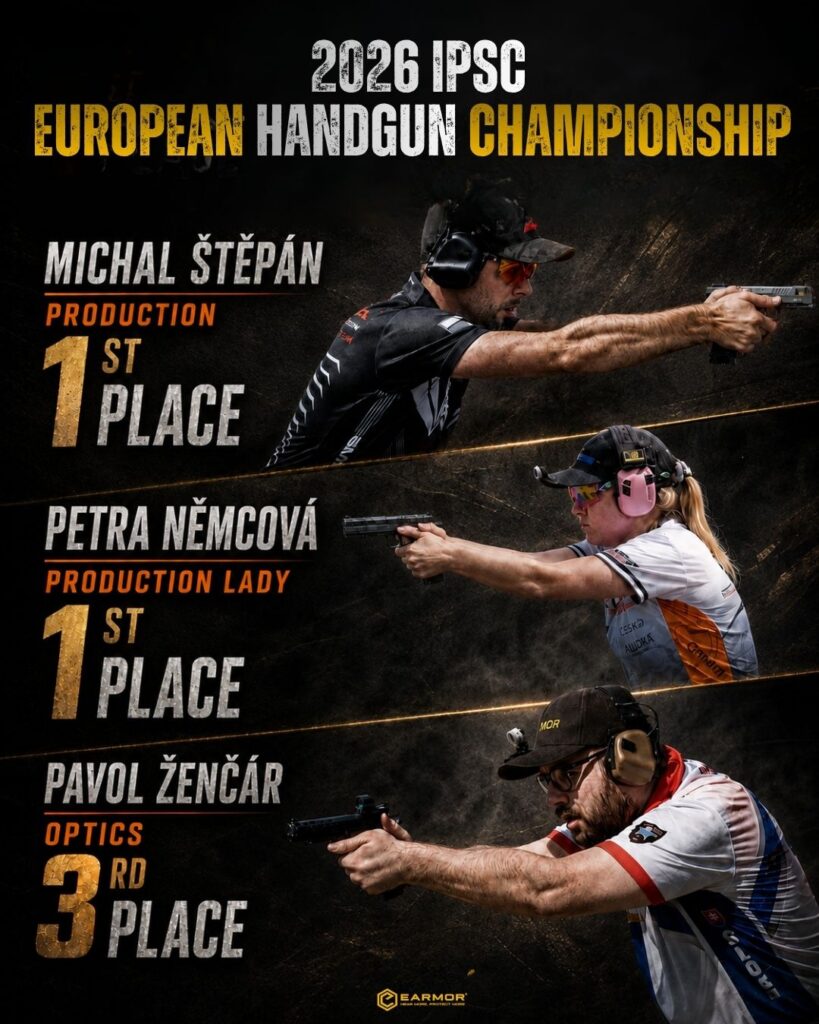
In this kind of setting, hearing protection needs to support performance, not interrupt it.
Shooters need to hear the timer.
They need to hear “Make ready.”
They need to hear the range officer clearly.
They need to stay aware of people, movement, and activity around the stage.
At the same time, repeated gunfire can cause long-term hearing damage if protection is not used properly. That is why competition shooting ear protection is not optional. It is part of safe and responsible performance.
What Makes Good IPSC Hearing Protection?
For IPSC shooters, the best hearing protection usually comes down to five key needs.
1. Noise Reduction for Gunfire
Gunfire creates dangerous impulse noise. The first job of any shooting hearing protection is to help reduce that risk.
For range use and competition shooting, shooters should look for reliable ear protection with a proper Noise Reduction Rating, also known as NRR.
The goal is simple: reduce harmful noise while keeping the shooter comfortable enough to wear the protection throughout the entire match or training day.
2. Clear Range Commands
In practical shooting, communication matters.
Shooters must hear commands from range officers. Range officers and IROA officials must also communicate clearly with competitors and other match staff.
This is why electronic hearing protection is useful for IPSC. Instead of simply blocking all sound, electronic earmuffs can help reduce harmful noise while allowing safer sounds, such as speech and commands, to remain easier to hear.
For competition environments, that balance is important.
3. Awareness of the Range Environment
A shooter who cannot hear the environment clearly may feel disconnected from the stage.
Good electronic shooting earmuffs help shooters stay aware of what is happening around them. This includes voices, movement, timers, and general range activity.
For practical shooting, awareness is part of safety and performance. Hearing protection should help the shooter stay connected, not isolated.
4. Comfort for Long Match Days
IPSC matches can mean long hours on the range. Shooters may spend the day walking stages, waiting for squads, helping teammates, and preparing for their next run.
Uncomfortable earmuffs become a distraction quickly.
A practical shooting headset should fit securely, seal properly, and remain comfortable over long periods. Soft ear pads, an adjustable headband, and a stable fit are all important.
Comfort also affects protection. If a shooter keeps adjusting or removing the headset, protection becomes less consistent.
5. Practical Features for Modern Shooters
Today’s shooters often want more than basic hearing protection.
Bluetooth, multiple sound pickup modes, water resistance, and long battery life can make a headset more useful during training days, outdoor matches, and long range sessions.
These features are not just about convenience. They help make hearing protection easier to wear, easier to use, and more practical in real shooting environments.
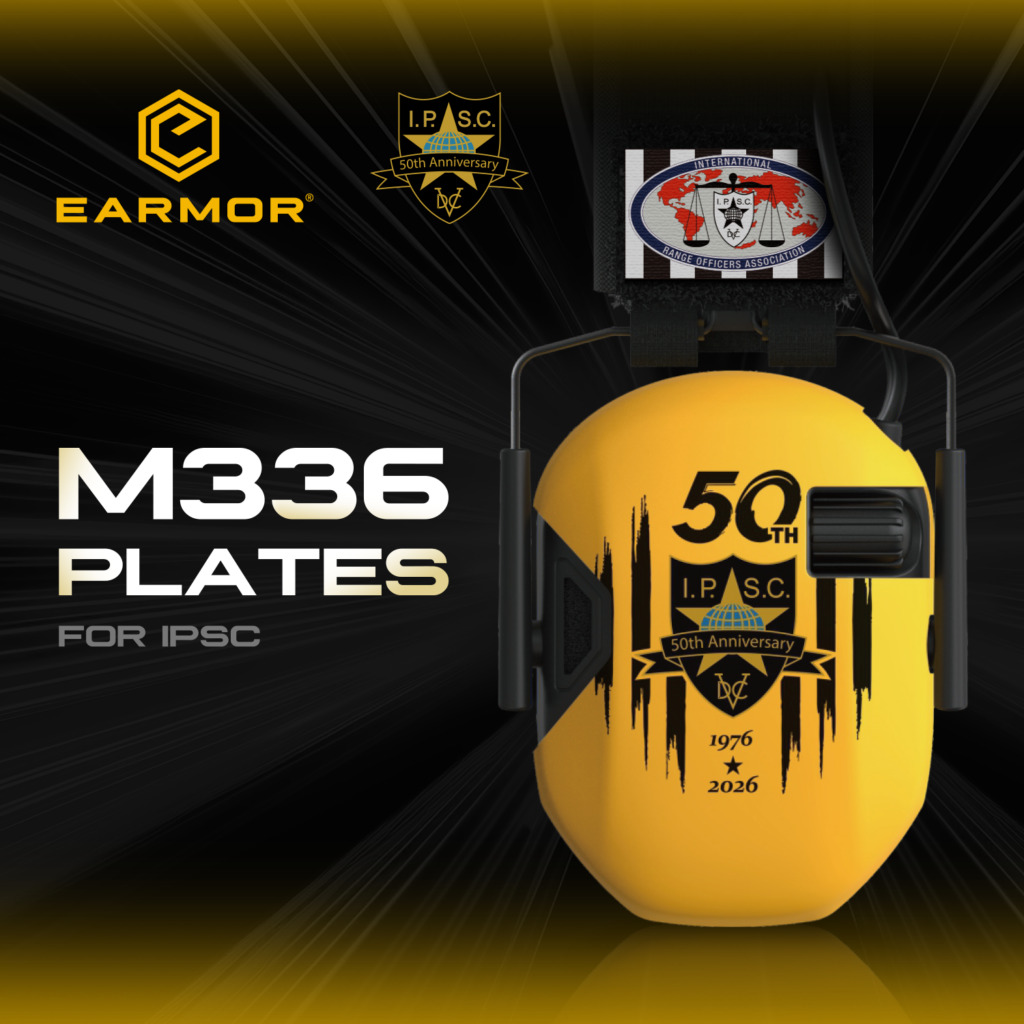
Where EARMOR M300T Fits
The EARMOR M300T is designed for shooters who want electronic hearing protection with comfort, awareness, and modern features.
As a practical shooting headset, the M300T is built to help reduce harmful shooting noise while allowing users to stay aware of voices and surrounding sounds.
Key features include:
- NRR 22dB hearing protection
- Bluetooth 5.4 technology
- Three pickup modes for different environments
- Gel ear pads for long-wear comfort
- Slim and foldable design
- IPX5 water resistance
- 60 hours working time
- Powered by 2 AAA batteries
- Auto shut-off after 4 hours of inactivity
For IPSC shooters, the M300T offers a practical balance: protection for gunfire, awareness for range use, and comfort for long match days.
Hearing Protection Is Not Only for Shooters
At major shooting events, hearing protection matters for more than competitors.
Range officers, IROA officials, coaches, media teams, and event staff may spend even more time near active stages than individual shooters. They need reliable hearing protection that remains comfortable through repeated exposure to gunfire.
That is why IROA hearing protection and range officer hearing protection are important topics in practical shooting.
Everyone on the range needs to protect their hearing while staying alert and able to communicate.
Final Thoughts
IPSC shooting demands speed, accuracy, discipline, and awareness. Every stage requires focus. Every command matters. Every shot creates noise that should be taken seriously.
The right hearing protection helps shooters stay safe without losing connection to the range.
For competitors, range officers, and practical shooting users, EARMOR M300T offers a strong balance of electronic hearing protection, ambient sound pickup, Bluetooth convenience, and long-wear comfort.
Good shooting gear should not get in the way.
It should help you stay protected, stay aware, and stay ready for the next stage