
When you shoot, train, hunt, or spend time at an indoor range, hearing protection is not optional. A single gunshot can produce extremely high impulse noise, and repeated exposure can put your hearing at risk. Research published through the CDC notes that firearm peak sound pressure levels often range from about 140 to 175 dB, while OSHA also highlights that long-term exposure above 85 dBA can damage hearing.
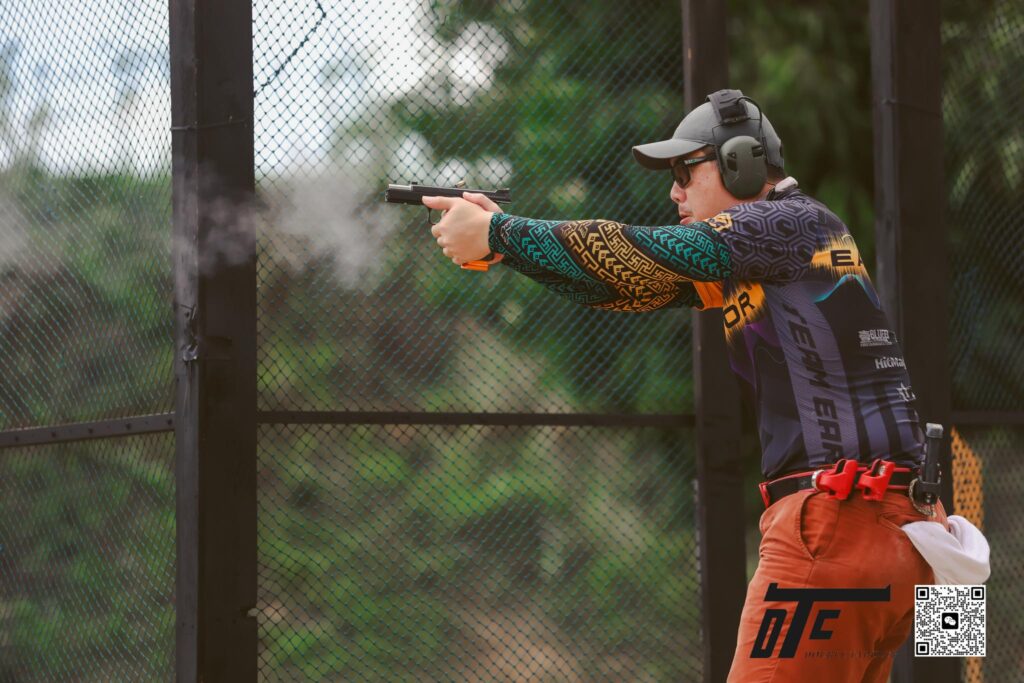
That is why more shooters are moving from basic passive ear protection to electronic ear protection for shooting. Unlike traditional earmuffs or foam plugs, electronic hearing protection is designed to reduce harmful noise while helping you stay aware of your surroundings. You can hear range commands, conversations, movement, and environmental sounds more clearly while still protecting your ears from dangerous impulse noise.
For EARMOR users, the goal is simple: stay protected, stay aware, and stay comfortable during every session.

What Is Electronic Ear Protection for Shooting?
Electronic ear protection uses built-in microphones, speakers, and digital noise control to manage sound in real time. Safe ambient sounds can be picked up and amplified, while sudden loud sounds such as gunfire are suppressed.
This makes electronic hearing protection especially useful for:
- Indoor shooting ranges
- Outdoor range training
- Hunting
- Tactical training
- Airsoft and scenario-based training
- Communication with teammates or instructors
For example, EARMOR’s electronic hearing protection products are built around active noise reduction, ambient awareness, and practical range use. The EARMOR M300T, for instance, combines Bluetooth connectivity, three listening modes, and rated hearing protection with SNR 29 / NRR 22 performance.
Why Shooters Need More Than Basic Ear Protection
Basic foam earplugs can reduce noise, but they also block important sounds. At the range, you may need to hear safety commands, instructor feedback, timer signals, or nearby movement. Traditional earmuffs offer protection, but they may feel bulky during long sessions or interfere with cheek weld when using rifles.
Electronic ear protection helps solve this problem by balancing two needs:
Protection: Reduce harmful impulse noise from gunfire.
Awareness: Keep speech and environmental sound easier to hear.
This balance is especially important for new shooters. When your hearing protection blocks too much, you may feel disconnected from the environment. When it protects too little, your hearing may be exposed to unnecessary risk. The right electronic ear protection helps you stay focused, aware, and protected.
Key Features to Look For
1. Noise Reduction Rating
NRR, or Noise Reduction Rating, is one of the most important numbers to check. It helps indicate how much noise reduction a hearing protection device can provide under test conditions.
For shooting, look for hearing protection designed specifically for impulse noise. EARMOR products such as the M300T and M32 PLUS are built to suppress harmful noise while maintaining awareness in range and tactical environments. The M32 PLUS, for example, is described as suppressing harmful noise above 82 dB while amplifying safe ambient sounds through dual microphones.
2. Ambient Sound Pickup
Ambient sound pickup allows you to hear voices, movement, and range commands without removing your hearing protection. This is a major advantage over passive earmuffs or foam plugs.
If you train with others, take classes, hunt with a partner, or need to follow instructions at the range, ambient listening is one of the most useful features to have.
3. Comfort for Long Sessions
Comfort matters more than many shooters realize. If your ear protection creates pressure, heat, or poor fit, you may be tempted to remove it between shooting strings. That is when exposure risk increases.
Look for:
- Soft ear cushions
- Adjustable headbands
- Lightweight design
- Secure in-ear fit for earbuds
- Low-profile earcups for rifle shooting
The EARMOR M300A, for example, is listed with a lightweight 295 g design, built to reduce pressure on the head and improve portability.
4. Bluetooth Connectivity
Bluetooth is not necessary for every shooter, but it can be useful for range days, training, work, and outdoor use. Bluetooth-enabled hearing protection lets you connect to your phone for audio, calls, or training content while staying in hearing protection mode.
The EARMOR M20T PRO offers Bluetooth 5.4, up to 10 hours of battery life, three ambient listening modes, and a compact earbud design.
5. Communication Compatibility
For tactical training, airsoft, security, or professional users, communication matters. A headset with microphone and PTT compatibility can help teams stay connected.
The EARMOR M32 PLUS is designed as a tactical headset with mic, using a NATO-standard plug that works with compatible PTT adapters.
EARMOR Product Recommendations by Use Case
Best for Compact Everyday Carry: EARMOR M20T PRO
The M20T PRO is a strong option for shooters who prefer in-ear protection instead of bulky earmuffs. It is compact, easy to carry, and suitable for users who want hearing protection without the heat and pressure of over-ear cups.
It is a good fit for:
- Range bags
- Outdoor shooting
- Warm-weather use
- Users who dislike bulky earmuffs
- Shooters who want Bluetooth in a compact form
With three listening modes, Bluetooth 5.4, and an NRR rating listed on the product page, the M20T PRO is built for flexible shooting and daily-use scenarios.
Best for Range Training with Bluetooth: EARMOR M300T
The M300T is ideal for shooters who want a classic over-ear electronic headset with Bluetooth. It provides passive noise reduction, environmental awareness, and music or call control in a slim, practical headset design.
It is a good fit for:
- Indoor and outdoor range sessions
- New shooters
- Regular training
- Bluetooth audio users
- Shooters who prefer earmuffs over earbuds
The M300T is also a practical choice for users who want a simple, comfortable electronic headset without moving into a full tactical communications setup.
Best for Tactical Communication: EARMOR M32 PLUS
The M32 PLUS is designed for users who need hearing protection plus communication. It includes a microphone, active hearing protection, dual microphones for ambient sound, and PTT compatibility.

It is a good fit for:
- Tactical training
- Airsoft
- Team communication
- Range instruction
- Users who need radio integration
For users building a more complete communication setup, pairing the headset with a compatible EARMOR PTT adapter can create a more practical field-ready system.
Earbuds vs. Earmuffs: Which One Should You Choose?
Both earbuds and earmuffs can work well, but the right choice depends on your use case.
Choose electronic earbuds if you want something compact, lightweight, and easy to carry. Earbuds are especially useful in hot weather or when wearing hats, helmets, or other headgear.
Choose electronic earmuffs if you prefer a familiar fit, easier adjustment, and strong over-ear coverage. Earmuffs are often easier for beginners to use correctly because the seal is more visible and easier to check.
For maximum protection in very loud environments, some shooters also use double protection: foam earplugs under electronic earmuffs. This can be useful at indoor ranges, during high-volume training, or around rifles with muzzle brakes.
How to Use Shooting Ear Protection Correctly
Even the best hearing protection will not work properly if it does not fit correctly. Before every range session:
- Make sure earcups fully seal around your ears.
- Keep hair, glasses, and hat edges from breaking the seal.
- Insert earbuds correctly and check that they feel secure.
- Turn electronic protection on before entering the firing area.
- Replace worn ear cushions or damaged ear tips when needed.
- Keep spare batteries or charge your device before training.
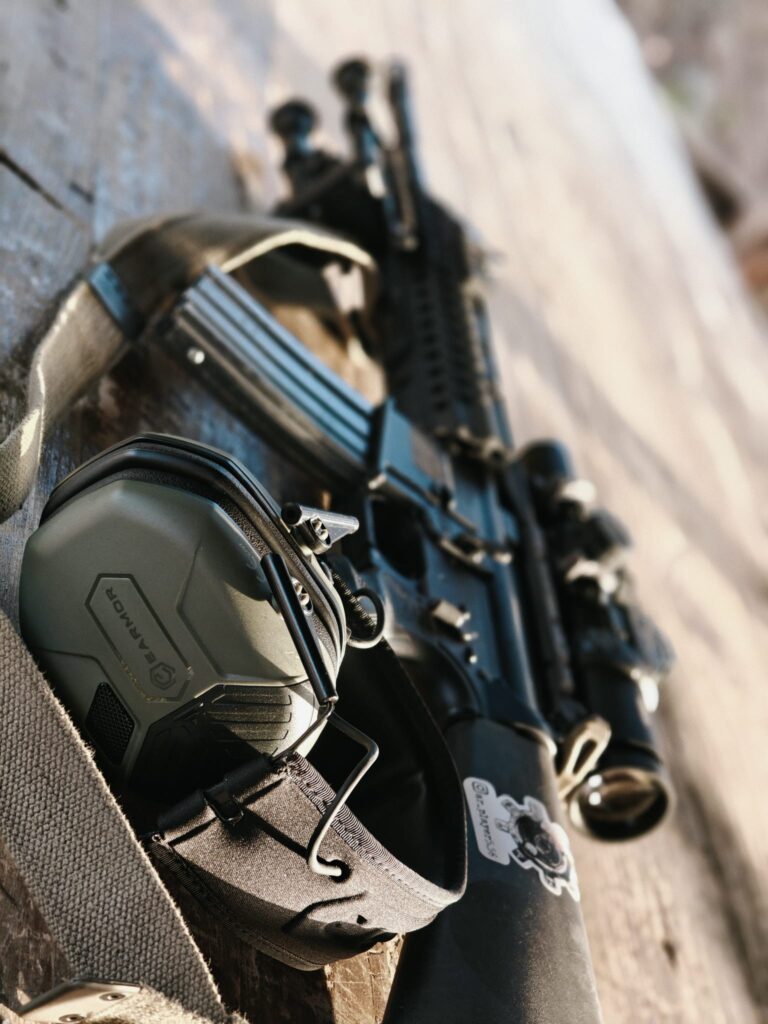
A poor seal can reduce real-world protection, especially during repeated gunfire.
Final Thoughts
The best electronic ear protection for shooting is the one that fits your environment, your gear, and your training style.
For compact protection, the EARMOR M20T PRO is a strong in-ear choice. For Bluetooth range use, the EARMOR M300T offers a practical balance of comfort, protection, and awareness. For tactical communication, the EARMOR M32 PLUS provides a headset-and-mic solution for users who need to stay connected.
Whether you are a beginner, a regular range shooter, or a tactical training user, hearing protection should be part of your standard gear. Protect your ears before the first shot, stay aware during every drill, and choose equipment that helps you train with confidence.
FAQ
What is the best electronic ear protection for shooting?
The best option depends on your use case. Electronic earbuds like the EARMOR M20T PRO are compact and easy to carry, while electronic earmuffs like the EARMOR M300T are practical for regular range training. Tactical users may prefer a communication headset such as the EARMOR M32 PLUS.
Are electronic earmuffs better than passive earmuffs?
Electronic earmuffs are better for users who need to hear speech, commands, and ambient sounds while still reducing harmful noise. Passive earmuffs are simpler, but they may block too much sound during training.
Do I need Bluetooth hearing protection for shooting?
Bluetooth is not required, but it can be useful. It allows you to listen to audio or manage calls while keeping your hearing protection on. This is especially useful for long training days, outdoor use, and general work environments.
Can I use earbuds for shooting?
Yes, shooting ear protection earbuds can be a good choice when they are properly fitted and designed for high-noise environments. They are especially useful for users who want lightweight, compact protection.
Should I use double hearing protection at the range?
Double protection can be helpful in very loud environments, especially indoor ranges or high-volume rifle shooting. This usually means wearing foam earplugs und