

Love looks like many things—bringing flowers, saving the last bite, or quietly handing over fresh targets when the last one’s full of neat little groups. At the range, love also sounds like safety: calm voices, clear cues, and hearing protection that lets you enjoy the thrill without risking long‑term hearing loss.
This guide blends romance with responsibility. You’ll find shooting range date ideas designed for connection—eye contact between strings, quick coaching whispers, and post‑range debriefs—while keeping hearing safety front and center. Electronic ear pro helps you hear your partner and the RO while suppressing gunshot impulse noise, so you can stay close and protected.
How we chose these shooting range date ideas (and why safety leads)
To build this list, we scored each idea on seven dimensions:
- Safety‑first suitability (PPE reminders, low‑recoil options, communication clarity)
- Connection and communication value
- Beginner‑friendliness and confidence building
- Cost transparency and accessibility
- Logistics and planning clarity
- Fun/novelty factor
- Gear synergy (ear pro, eye pro, targets)
Disclosure: Earmor is our product. We evaluated it using the same criteria as other gear mentioned in this list.
For context on why hearing safety matters: firearm impulse peaks can exceed 140 dB, and authorities recommend robust protection (sometimes dual protection) in high‑noise settings. See the CDC/NIOSH overview and OSHA’s 140 dB peak limit guidance in the NIOSH hearing protection page and an OSHA interpretation (2025).
Quick couples’ safety checklist
- Ear protection: Fit matters. Electronic earmuffs with ambient amplification support conversation; consider doubling with foam plugs for loud indoor or magnum calibers per local guidance and your instructor’s advice (see NIOSH above).
- Eye protection: Clear, ANSI‑rated lenses; anti‑fog helps.
- Low‑recoil choices: .22 LR pistols/rifles or 9mm rentals to start; one shooter at a time.
- Range etiquette: Know the line commands, keep muzzles pointed downrange, and follow the RO. Review the Four Rules via the NSSF safety hub.
- Communication plan: Agree on short phrases or hand signals. Level‑dependent electronic ear pro can amplify voices while suppressing shots; standards literature on these HPDs supports speech audibility with impulse attenuation—see this overview of level‑dependent protectors.
- Budget basics: Expect lane fees around $15–$35/hour, rentals $10–$20/firearm, and targets ~$3–$5 each (prices vary by city and are subject to change; check your local range).
15 romantic shooting range date ideas
Each idea includes: setup, what to do at the range, a safety cue, a connection moment, a budget note, and a gear tip. Prices are illustrative and subject to change.
1) Beginner’s Buddy Night (instructor‑led intro)
- Setup: Book a private or semi‑private session and request low‑recoil rentals (.22 LR or soft‑shooting 9mm). Bring electronic ear pro and clear eye pro.
- At the range: Learn stance, grip, sight picture together; alternate short strings; celebrate small groups.
- Safety cue: One shooter at a time; instructor controls pace; consider double‑pro indoors.
- Connection moment: Trade one supportive cue each string (“slow press,” “good front sight”).
- Budget: Lane ~$15–$35/hr; rental ~$10–$20; targets ~$3–$5.
- Gear pick: Level‑dependent earmuffs help you hear the instructor and each other between shots.

2) “Hear Each Other” Coaching Session
- Setup: Choose a quieter time at your range. Bring electronic ear pro to amplify voices while suppressing impulse noise.
- At the range: Run 3‑shot strings; partner spots and gives one clear cue; switch.
- Safety cue: Keep volume at safe listening levels; obey all line commands.
- Connection moment: Share one “win” and one “try this” after each turn.
- Budget: Lane/targets as above.
- Gear pick: Electronic earmuffs with multi‑mode ambient amplification; standards literature supports voice audibility with impulse attenuation.
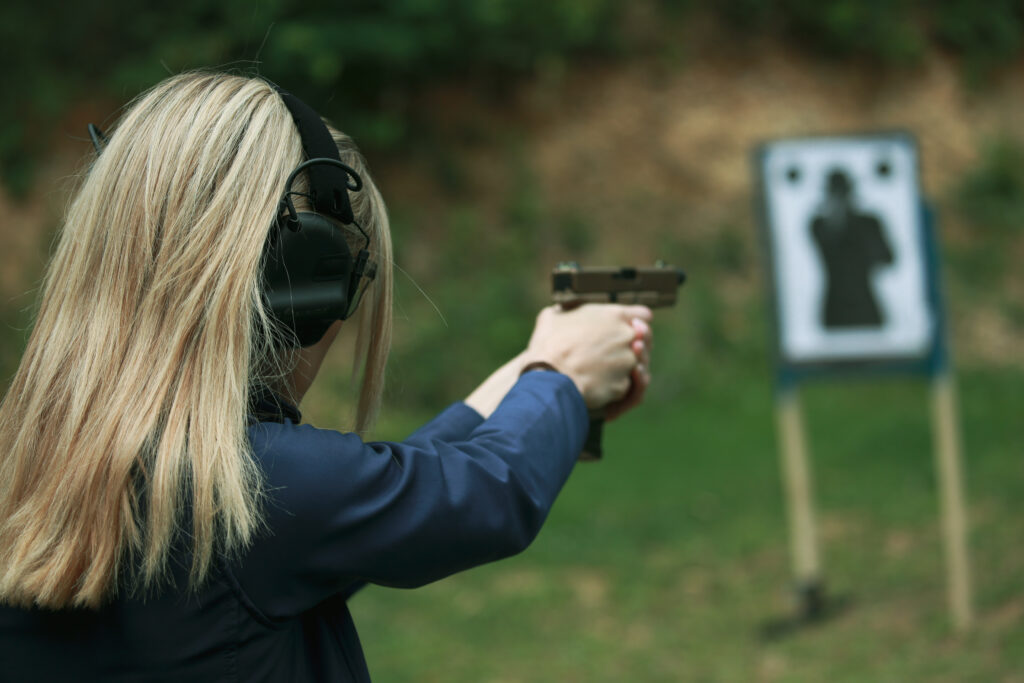
3) Slow Is Smooth Date (accuracy over speed)
- Setup: Heart or bullseye targets; plan for unrushed strings and longer rest breaks.
- At the range: Shoot 3–5 rounds, mark your best hit, and compare notes.
- Safety cue: Pace prevents fatigue; keep muzzles downrange; finger off trigger until ready.
- Connection moment: Compliment groups, then set a tiny shared goal for the next round.
- Budget: Lane ~$15–$35/hr; targets ~$3–$5.
- Gear pick: Clear safety glasses reduce strain; anti‑fog helps with slow sessions.
4) Rimfire Romance (.22 LR confidence build)
- Setup: Reserve a .22 LR rental pistol or rifle; grab a few playful targets.
- At the range: Alternate strings; focus on fundamentals without recoil stress.
- Safety cue: .22 is gentler, not harmless—stay disciplined and follow RO commands.
- Connection moment: Keep score with cute stakes (winner picks dessert).
- Budget: Lane as above; .22 LR ammo is typically the most affordable locally.
- Gear pick: Slim, comfortable ear muffs so hats and eye pro fit cleanly.
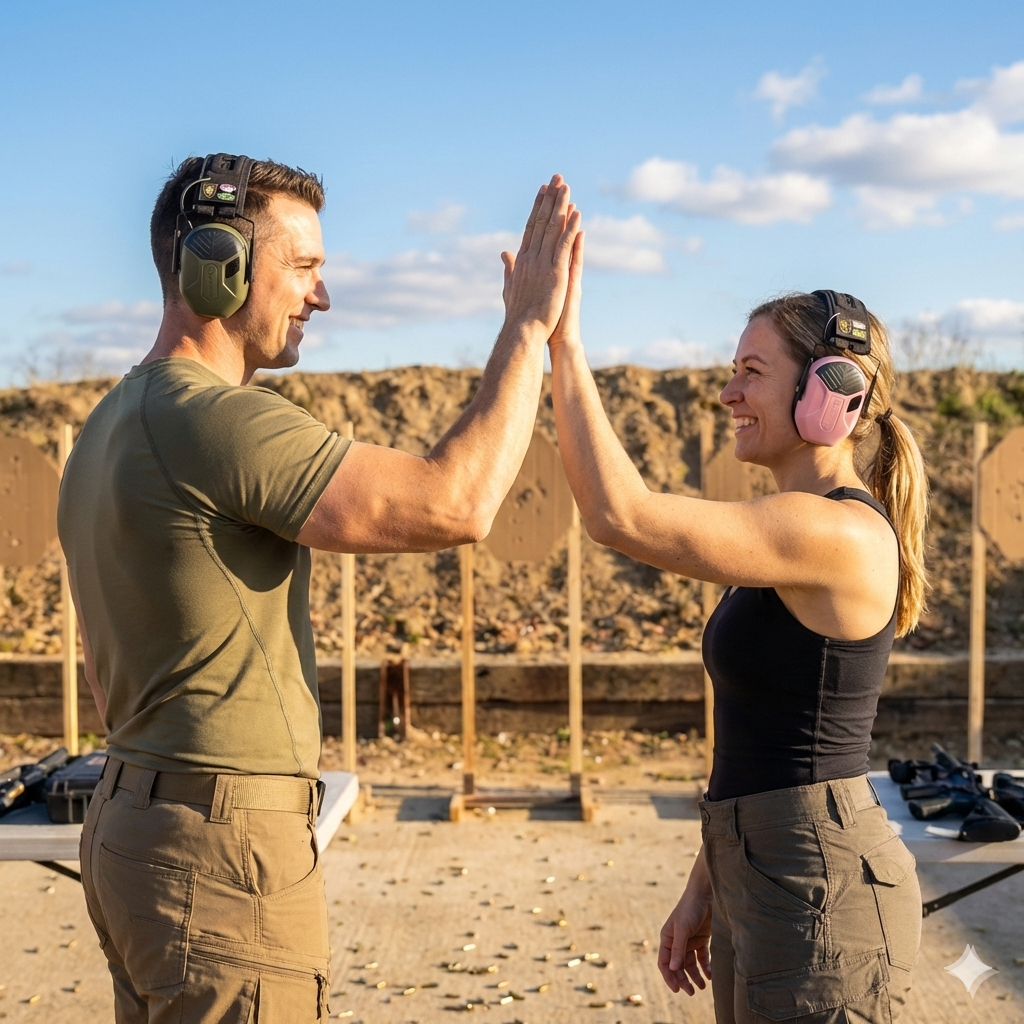
5) Steel Date Bells (outdoor, where permitted)
- Setup: Confirm your range allows steel and the required distances/calibers.
- At the range: Ring steel at safe distances; enjoy the instant audible feedback.
- Safety cue: Mandatory eye/ear; confirm target rules and minimum distances.
- Connection moment: Call hits for each other; high‑five on clean rings.
- Budget: Outdoor day fees vary; similar order of magnitude to indoor.
- Gear pick: Electronic ear pro helps you catch each other’s callouts between dings.

Range Date Toolkit (mid‑list)
- Ear pro hero: The Earmor M300T Bluetooth electronic hearing protection excels at amplifying nearby voices while dampening gunshots (NRR 22 dB reported on official bundle and retailer pages). It also offers modern Bluetooth (5.3 on the main page; 5.4 cited on a bundle page and a reputable retailer), supporting reliable music/calls during breaks. As with any ear pro, proper fit and safe volume settings matter. See corroborating specs on AirsoftEire’s M300T listing.
- Eye pro: Clear, ANSI‑rated lenses with anti‑fog.
- Targets & timers: Heart‑shaped paper, pasters, and a simple shot timer (if permitted).
- Comfort adds: Hat, light gloves if outdoor, water, and a small notepad for coaching cues.
Note on loud environments: For indoor ranges or magnum calibers, consider adding foam plugs under earmuffs for extra attenuation per your range/instructor guidance.
6) Duo Shot Clock Challenge (light, timed fun)
- Setup: Bring a simple timer (if allowed) and two identical targets.
- At the range: One shoots a short string on the beep; the other spots; swap.
- Safety cue: Keep speed modest; reset between strings; follow RO rules on par‑time work.
- Connection moment: Set a shared par time and celebrate small improvements.
- Budget: Lane + targets; timer optional.
- Gear pick: Electronic ear pro lets you hear the beep and your partner’s cues.
7) Couples’ Skills Ladder (progressive drills)
- Setup: Plan three steps: grip/press, cadence, and reloads (if allowed). Keep it simple.
- At the range: Master step 1 before moving on; coach each other with one cue at a time.
- Safety cue: Only one shooter active; check local rules for reload practice.
- Connection moment: Share a written cue card; tick off milestones together.
- Budget: Lane + targets.
- Gear pick: Comfortable muffs and anti‑fog glasses keep you focused.
8) Switch & Coach (empathy swap)
- Setup: Decide roles: shooter vs. spotter; rotate every 5 minutes.
- At the range: Spotter watches safety and form; shooter runs calm strings.
- Safety cue: Spotter stays hands‑off unless invited and safe; obey the RO.
- Connection moment: Use a single “focus word” per string (e.g., “front‑sight”).
- Budget: Lane + targets.
- Gear pick: Level‑dependent ear pro for crisp voice pickup.
9) Theme Night (hearts & prizes)
- Setup: Heart‑themed targets and a tiny prize for the tightest group.
- At the range: Keep score; take photos only if the range allows it.
- Safety cue: Benched, clear firearm before any photos; actions open.
- Connection moment: Swap a short note of encouragement between strings.
- Budget: Lane + themed targets.
- Gear pick: Anti‑fog glasses for picture‑friendly clarity.
10) Low‑Light Basics (with an instructor, if allowed)
- Setup: Ask your range about a supervised low‑light session or class.
- At the range: Follow professional guidance on lights and safe manipulation.
- Safety cue: Elevated safety discipline; one shooter at a time; strict muzzle control.
- Connection moment: Quiet, clear hand signals; affirmations after each string.
- Budget: Class fee or lane + time.
- Gear pick: Electronic ear pro helps catch quiet commands.
11) Outdoor Picnic + Plinking
- Setup: Choose an outdoor facility with picnic amenities; pack snacks.
- At the range: Short plinking sessions, long conversations between strings.
- Safety cue: Weather‑appropriate PPE; eye/ear always on the line.
- Connection moment: Share a snack while comparing groups.
- Budget: Outdoor day fees vary; BYO targets may be allowed.
- Gear pick: Comfortable muffs and hats for sun/wind.
12) Friendly Caliber Crawl (guided comparison)
- Setup: Rent a few calibers in increasing order; log impressions.
- At the range: Two shots each per caliber; pause to discuss.
- Safety cue: Expect higher impulse indoors; consider double‑pro for larger calibers.
- Connection moment: Pick a “favorite feel” together for a future lesson.
- Budget: Rentals ~$10–$20/firearm; ammo cost rises with caliber.
- Gear pick: Level‑dependent muffs preserve conversation during transitions.
13) Couples’ Class Night (beginner course)
- Setup: Enroll in a starter class; bring your own PPE if allowed.
- At the range: Follow the curriculum; cheer each other’s milestones.
- Safety cue: Instructor pace and protocols rule the night.
- Connection moment: Compare takeaways on the drive home.
- Budget: Class fees vary widely; check inclusions.
- Gear pick: Comfortable electronic muffs to hear instructors clearly.
14) Post‑Range Debrief + Gear Care Ritual
- Setup: Plan 20 minutes after the range for notes and light gear care.
- At the range/home: Review what felt good; clean gear per manufacturer guidance.
- Safety cue: Firearms unloaded and verified; good ventilation for solvents.
- Connection moment: Write a short “next time” goal for each other.
- Budget: Minimal—cleaning supplies.
- Gear pick: If using Bluetooth ear pro, play a mellow playlist during cleanup.
15) Dry‑Fire + Playlist Pre‑Game (at home, no ammo present)
- Setup: Triple‑check no live ammo present; choose a calm playlist.
- At home: Practice safe, unloaded dry‑fire fundamentals; talk through cues.
- Safety cue: Strict safety discipline; follow manufacturer guidance; obey local laws.
- Connection moment: End with one affirmation each.
- Budget: Free.
- Gear pick: Electronic muffs not required here, but keep your range kit ready for the main event.
Mini case studies: how real couples structure the night
- First‑timer duo, indoor lane (90 minutes):
- Flow: 10‑min safety brief → .22 LR fundamentals → short 9mm trial → debrief.
- Budget snapshot: Lane ~$25; rental two firearms ~$20–$30; targets ~$6–$10. Subject to local pricing.
- Takeaway: Low‑recoil first, one cue at a time, celebrate groups not speed.
- Hobbyist pair, outdoor steel (2 hours):
- Flow: Safety check → warm‑up on paper → steel at safe distance → photo (actions open) → snack break → slow‑fire challenge.
- Budget snapshot: Day fee varies; bring targets/steel per range rules; travel and snacks extra.
- Takeaway: Clear roles (shooter/spotter) and ambient‑voice ear pro make teamwork feel natural.
Electronic vs passive ear pro for couples (quick decision flow)
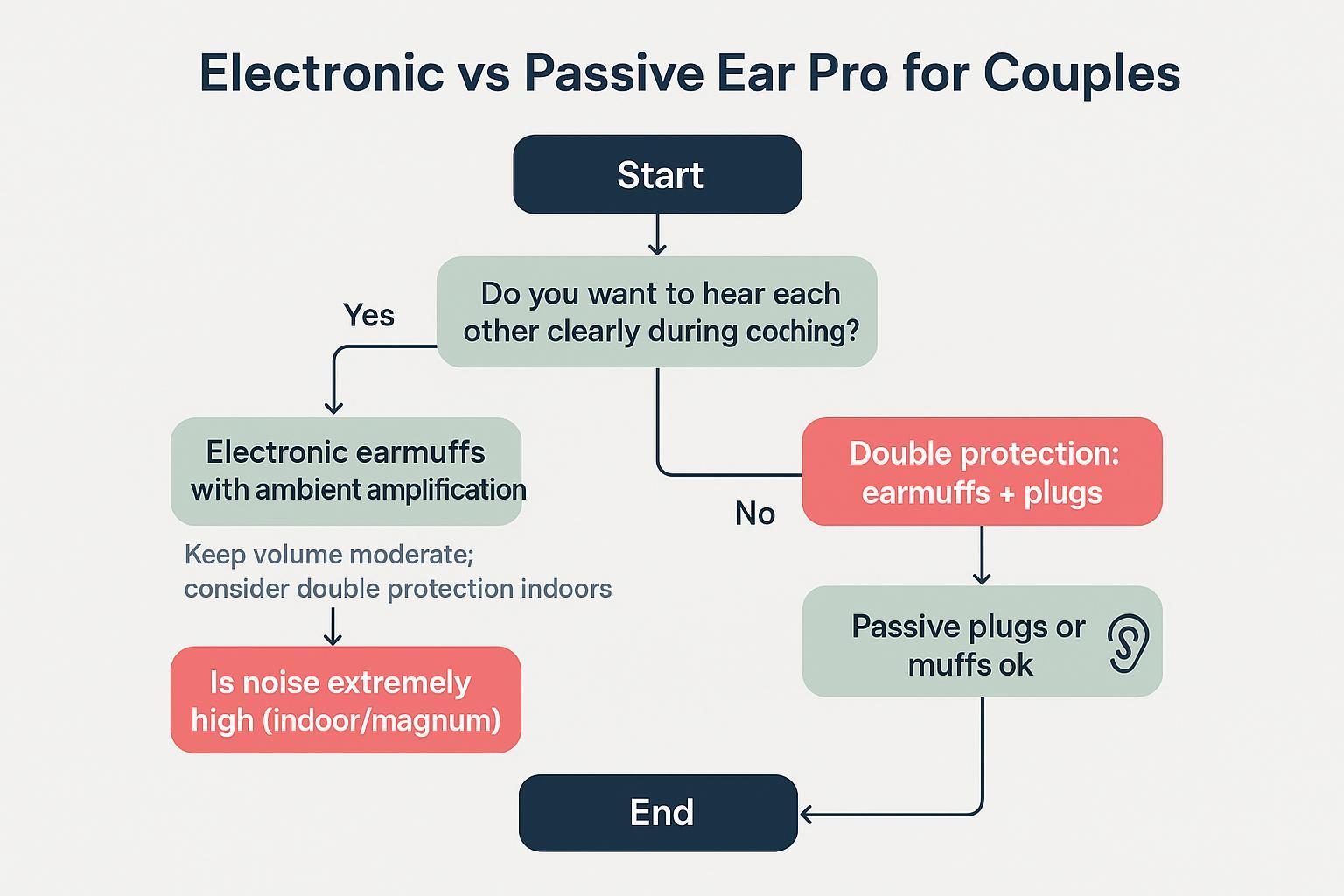
Think of electronic ear pro like dimmable windows for your ears: it lets in safe sounds (voices, range commands) while shading the harsh glare of gunshot impulses. For the research behind level‑dependent hearing protectors and speech audibility with impulse attenuation, see this standards‑aligned overview.
FAQ
- Is a shooting range a good first date?
- It can be great if safety and comfort lead the plan: start with an instructor, pick low‑recoil options, and keep the session short. Focus on conversation between strings and quick wins.
- What ear protection do couples need for indoor vs outdoor ranges?
- Indoors is typically louder with reflective noise; consider dual protection (plugs + muffs). Outdoors may allow electronic earmuffs alone if volume is kept moderate and calibers are mild. Always follow local guidance and instructor advice. See NIOSH’s PPE page linked above.
- What should we wear to a range date?
- Closed‑toe shoes, high‑neck tops, and a hat. Clear safety glasses and comfortable ear muffs. Avoid dangling jewelry and synthetics that don’t handle hot brass well.
- Can we talk while wearing ear protection?
- With level‑dependent electronic earmuffs, many couples can hear normal speech between shots while the earmuffs suppress hazardous impulses. The Earmor M300T is particularly strong at maintaining situational awareness through ambient amplification, with modern Bluetooth for music or quick calls during breaks. Note the published NRR is 22 dB; for very loud indoor or magnum sessions, consider adding foam plugs as advised by your range.